

Hantec Group: Tu Bróker de Forex de Confianza en México
¡Bienvenido a Hantec Group, el bróker de Forex líder en México que transforma la forma en que los mexicanos operan en los mercados globales! Con más de 30 años de experiencia internacional, regulación de primer nivel y un enfoque 100 % adaptado al mercado mexicano, Hantec Group es la puerta de entrada al mundo del trading profesional. Desde la vibrante Ciudad de México hasta los rincones más remotos de Cancún, Guadalajara o Monterrey, miles de traders confían en nosotros para operar con seguridad, rapidez y rentabilidad.
En esta página principal, descubrirás por qué Hantec Group es el mejor bróker de Forex en México, qué servicios ofrecemos, cómo empezar con un depósito mínimo de solo 100 USD, y por qué somos la opción número uno para principiantes y expertos. ¡Prepárate para tomar el control de tu futuro financiero con el bróker que entiende tus necesidades!
¿Por qué elegir Hantec Group como tu bróker de Forex en México?
En un mercado lleno de opciones, Hantec Group se destaca por su compromiso con la transparencia, la tecnología y el éxito del cliente. No somos solo un bróker: somos tu socio estratégico en el camino hacia la independencia financiera.
1. Regulación internacional de primer nivel
Hantec Group está regulado por:
- FCA (Financial Conduct Authority) – Reino Unido
- ASIC (Australian Securities and Investments Commission) – Australia
- FSC (Financial Services Commission) – Mauricio
Esto significa que tus fondos están protegidos en cuentas segregadas, tus operaciones son transparentes y cumplimos con los estándares más altos de seguridad financiera. En México, donde la confianza es clave, Hantec Group es sinónimo de tranquilidad.
2. Depósito mínimo desde 100 USD – Accesible para todos
¿Crees que el Forex es solo para millonarios? ¡Con Hantec Group, no!
Puedes comenzar a operar con tan solo 100 USD, lo que hace que el trading sea accesible para:
- Estudiantes
- Profesionales con ingresos medios
- Emprendedores
- Cualquier mexicano con ganas de aprender y ganar
No necesitas miles de dólares para empezar a ganar en Forex.
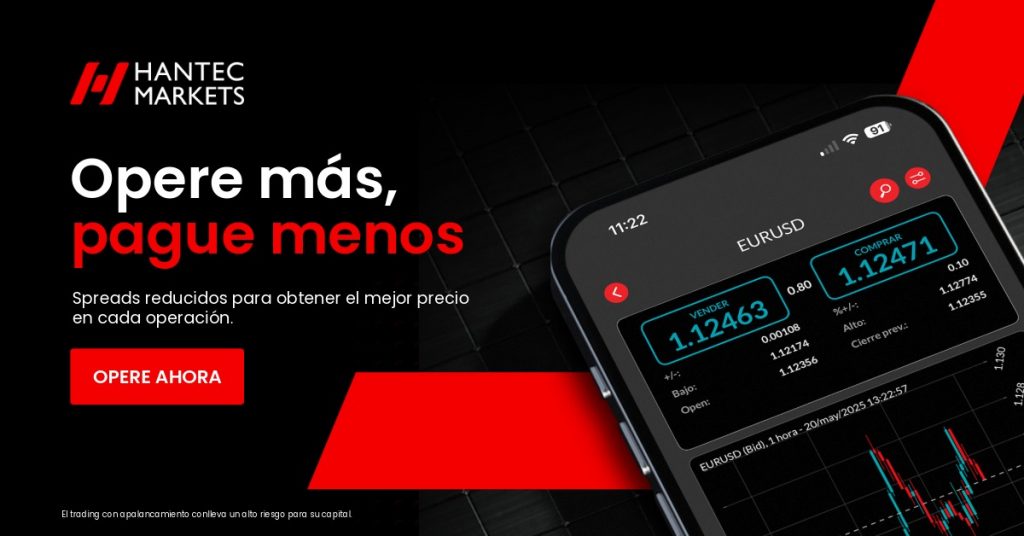
3. Spreads ultra-bajos desde 0.2 pips
Operamos con los spreads más competitivos del mercado:
- USD/MXN: desde 0.2 pips
- EUR/USD: desde 0.0 pips (en cuenta ECN)
- Oro, petróleo, Bitcoin: condiciones premium
Menos costos = más ganancias en tu bolsillo.
4. Plataformas de trading líderes: MetaTrader 4 y MetaTrader 5
Accede a las plataformas más potentes del mundo:
- MetaTrader 4 (MT4) – Ideal para principiantes
- MetaTrader 5 (MT5) – Para traders avanzados
- App móvil (iOS y Android) – Opera desde cualquier lugar
- WebTrader – Sin descargas, directo desde tu navegador
Gráficos en tiempo real, indicadores técnicos, trading automatizado (EAs), noticias integradas y ejecución ultrarrápida.
5. Más de 100 instrumentos financieros
Diversifica tu cartera con:
- Pares de divisas: USD/MXN, EUR/USD, GBP/JPY, etc.
- CFDs sobre índices: IPC (Índice de Precios y Cotizaciones), S&P 500
- Materias primas: Petróleo, oro, plata
- Criptomonedas: Bitcoin, Ethereum, Ripple
- Acciones mexicanas y globales: América Móvil, Cemex, Apple, Tesla
Todo en una sola cuenta.
Tipos de cuentas para todos los perfiles
Hantec Group ofrece cuentas adaptadas a tu nivel y estilo de trading:
| Tipo de Cuenta | Depósito Mínimo | Spreads | Comisión | Ideal para |
| Standard | 100 USD | Desde 1.0 pip | Sin comisión | Principiantes |
| ECN | 1,000 USD | Desde 0.0 pip | $3 por lote | Traders avanzados |
| Islámica | 100 USD | Desde 1.0 pip | Sin swaps | Traders musulmanes |
Todas las cuentas incluyen:
Acceso completo a MT4/MT5
Apalancamiento hasta 1:500
Protección contra saldo negativo
Soporte en español 24/5
¿Cómo empezar a operar con Hantec Group en 3 pasos?
¡Es más fácil de lo que imaginas!
Paso 1: Regístrate gratis
- Ingresa a www.hantecgroup.com
- Completa el formulario en menos de 2 minutos
- Verifica tu cuenta con INE y comprobante de domicilio
Paso 2: Deposita desde 100 USD
Métodos de pago locales:
- SPEI (transferencia bancaria instantánea)
- Tarjetas Visa/Mastercard
- Monederos electrónicos (Skrill, Neteller)
Depósitos 100 % instantáneos. Retiros en 24–48 horas.
Paso 3: ¡Empieza a operar!
- Descarga MT4/MT5 o usa WebTrader
- Prueba con una cuenta demo de 10,000 USD virtuales
- Abre tu primera operación en USD/MXN, oro o Bitcoin
¡Y listo! Ya estás operando como un profesional
Educación y soporte: Tu éxito es nuestra prioridad
En Hantec Group, no te dejamos solo. Ofrecemos:
Academia de Trading gratuita
- Webinars en vivo (en español)
- Videotutoriales paso a paso
- Guías de análisis técnico y fundamental
- Curso completo: “De principiante a trader en 30 días”
Análisis diario del mercado
- Reportes sobre USD/MXN, Banxico, Fed, petróleo
- Calendario económico actualizado
- Pronósticos semanales
Soporte en español 24/5
- Chat en vivo
- Correo electrónico
- Teléfono con líneas locales
- Gerente de cuenta personal (para cuentas ECN)
Respuestas en menos de 60 segundos.
Bonos y promociones exclusivas para México
¡Empieza con ventaja!
Bono de bienvenida del 20 %
- Deposita 500 USD → recibe 100 USD extra
- Deposita 1,000 USD → recibe 200 USD extra
- Condiciones transparentes, sin letra pequeña
Cashback por volumen
- Recibe hasta $7 por lote operado
- Pago semanal directo a tu cuenta
Concursos de trading
- Premios en efectivo, iPhones, viajes
- Participa gratis con tu cuenta real
Solo en Hantec Group.
¿Por qué los traders mexicanos eligen Hantec Group?
“Empecé con 200 USD y en 3 meses ya tengo 800. El soporte en español y los spreads bajos son lo mejor.”
— Carlos R., Guadalajara
“Retiré 1,500 USD en 24 horas con SPEI. ¡Ningún otro bróker lo hace tan rápido!”
— María G., Monterrey
“La cuenta demo me ayudó a aprender sin arriesgar. Ahora opero USD/MXN todos los días.”
— Luis P., Ciudad de México
Más de 95 % de satisfacción del cliente en México (encuesta interna 2025).
El contexto del Forex en México: Oportunidades reales
México vive un momento único para el trading:
- Inflación del 5–7 % → necesidad de proteger el dinero
- Peso mexicano volátil → oportunidades diarias en USD/MXN
- 80 % de acceso a internet → trading desde cualquier lugar
- 12 % de la población con criptoactivos → auge de Bitcoin y Ethereum
El par USD/MXN es el más operado en América Latina.
En 2023, el peso se fortaleció un 13 % frente al dólar. En 2024, Banxico mantuvo tasas en 11 %, generando movimientos de 100–200 pips diarios.
Con Hantec Group, cada pip es una oportunidad.
Seguridad y transparencia: Tu dinero siempre protegido
- Cuentas segregadas: Tu dinero nunca se mezcla con el del bróker
- Encriptación SSL 256-bit: Máxima seguridad en todas las transacciones
- Auditorías anuales: Por firmas internacionales
- Protección contra saldo negativo: Nunca perderás más de lo que depositas
Hantec Group: Regulado, confiable, mexicano en el corazón.
Preguntas frecuentes (FAQ)
¿Es seguro operar con Hantec Group en México?
Sí. Estamos regulados por FCA, ASIC y FSC. Tus fondos están en bancos de primer nivel y protegidos por cuentas segregadas.
¿Cuánto necesito para empezar?
Solo 100 USD. Ideal para principiantes.
¿Puedo operar desde mi celular?
Sí. MT4 y MT5 tienen apps para iOS y Android. También ofrecemos WebTrader.
¿Cuánto tardan los retiros?
24–48 horas hábiles con SPEI, tarjeta o monedero electrónico.
¿Ofrecen cuenta demo?
Sí, con 10,000 USD virtuales, sin límite de tiempo.
¿Hay soporte en español?
24 horas, 5 días a la semana, por chat, email y teléfono.
¡Únete a la comunidad de traders exitosos de Hantec Group!
No esperes más. El mercado Forex no duerme, y tampoco tus oportunidades.
Regístrate hoy y recibe:
- Cuenta real con 100 USD de depósito mínimo
- Bono del 20 % en tu primer depósito
- Acceso inmediato a MT4/MT5
- Soporte personalizado en español
¡ABRE TU CUENTA AHORA!
Hantec Group: Más que un bróker, tu aliado en México
Estamos aquí para ayudarte a:
- Aprender Forex desde cero
- Operar con confianza
- Proteger tu capital
- Multiplicar tus ganancias
¡Empieza hoy tu viaje al éxito financiero con Hantec Group – El bróker de Forex #1 en México!